A Railroad-Era City With Railroad-Era Building Materials
Billings has been adding houses since the Northern Pacific platted the townsite in 1882, and the Magic City's growth never really paused. That leaves layer upon layer of housing from the decades when asbestos was standard issue in American construction: brick four-squares and workers' cottages on the South Side and around the downtown core, bungalows below the Rims, postwar ranches spreading through the 1950s and '60s, and the subdivision waves that filled Billings Heights in the 1970s and '80s.
Until roughly the end of the 1980s, manufacturers put asbestos into an enormous range of ordinary products: sprayed ceiling texture, vinyl floor tile and its black mastic, cement-board siding and flues, plaster and joint compound, duct wrap, pipe insulation, and vermiculite attic fill. Some uses were banned in the 1970s, but a sweeping 1989 EPA ban was mostly overturned in court two years later, so many products stayed on shelves. The working assumption across Montana is simple: in any building finished before about 1990, treat unfamiliar materials as suspect until a laboratory says otherwise — because nobody, professional or not, can identify asbestos by eye.
The Materials Billings Owners Ask About Most
Popcorn & textured ceilings
Sprayed acoustic texture tops the list of test requests in mid-century Billings homes. A handful of coin-sized samples answers the question before any scraping, patching, or listing photos happen. Popcorn ceiling testing →
Vermiculite attic insulation
The pebbly loose fill in many Montana attics traces back to the mine at Libby — a hometown chapter of the asbestos story this state knows better than any other. Special rules of thumb apply. Vermiculite testing →
Flooring, siding & pipe insulation
Nine-inch floor tiles, black adhesive, cement "transite" siding, and the chalky white wrap on old heat pipes are the classic suspects in pre-1980s buildings on both sides of the tracks. Flooring, siding & pipe testing →
Pre-renovation & demolition surveys
Montana expects buildings to be inspected by an accredited asbestos inspector before renovation or demolition work — these whole-building surveys are the paperwork behind every clean permit file. Renovation & demo surveys →
From First Call to Lab Report
Testing is faster and less invasive than most owners expect — a single-material question usually takes under an hour on site.
Describe the project
Give us the property's ZIP code, approximate age, and what you're planning. You'll get a free quote and a visit that fits your schedule.
On-site sampling
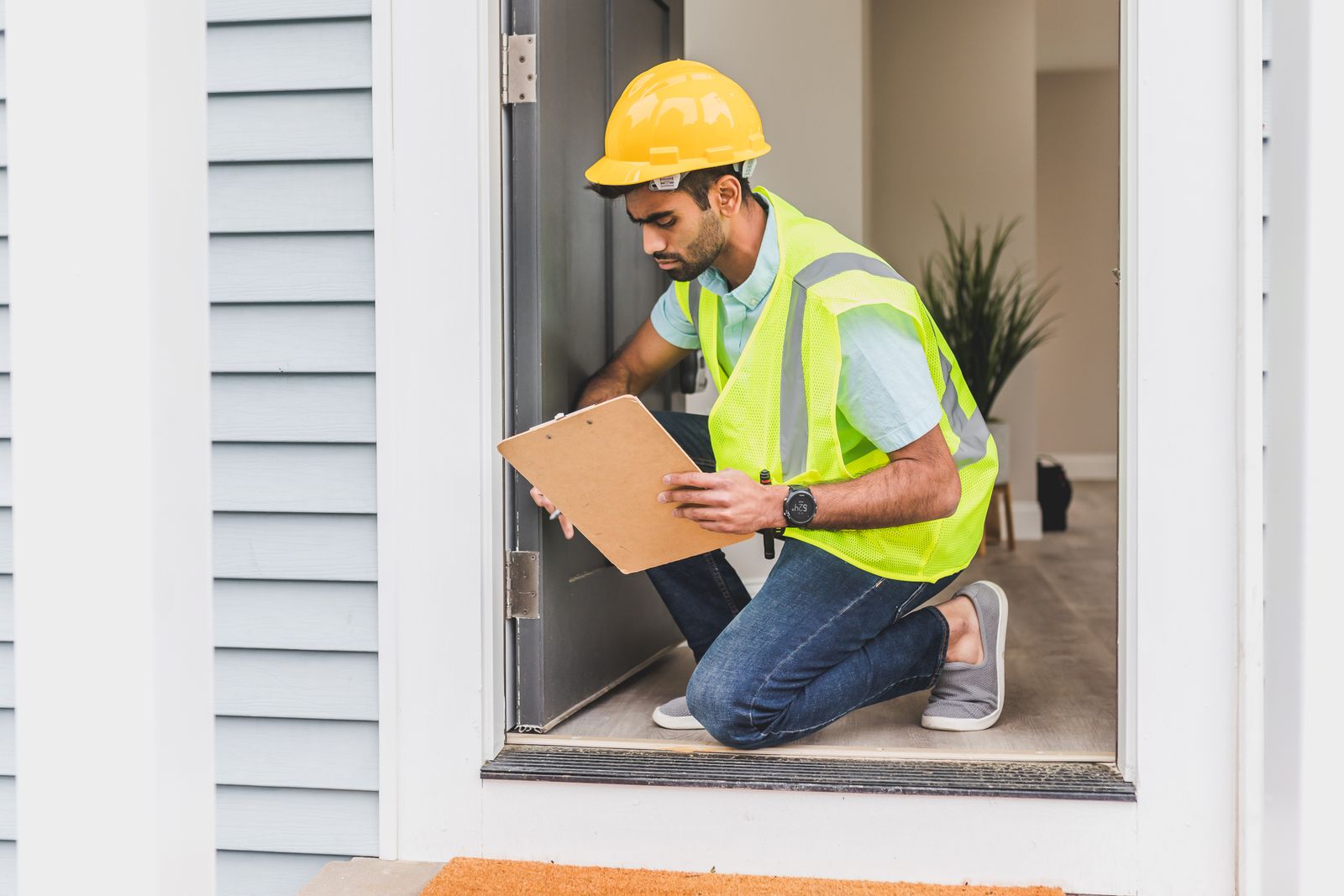
A Montana-accredited inspector examines the materials and collects small physical samples using wet methods and sealed containers, so nothing goes airborne in your home.
Accredited lab work
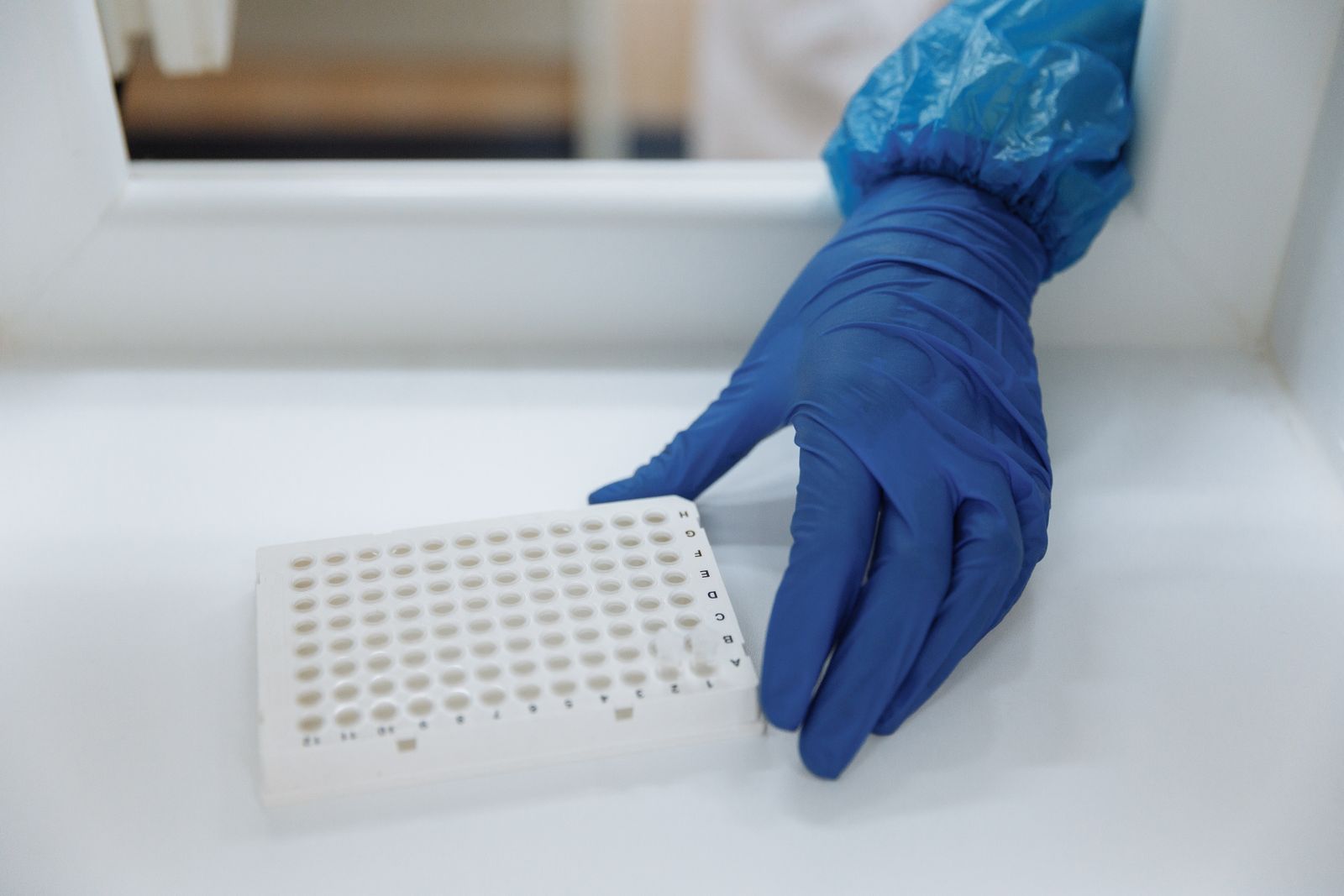
Samples are analyzed at a laboratory accredited through the NIST National Voluntary Laboratory Accreditation Program (NVLAP), typically by polarized light microscopy. Standard turnaround runs about 2–5 business days, with rush options.
Report & plain-English guidance
Your written report lists each material, the result, and the asbestos type and percentage where detected — plus an honest read on next steps, whether that's nothing at all or a licensed abatement contractor.
What Should Testing Cost in Billings?
Less than most people brace for. Published national figures put professional inspections at roughly $250–$850, driven mainly by building size and sample count, with lab fees around $25–$75 per sample. One popcorn ceiling sits near the bottom of that range; a whole-building survey sits above it. Either way, it's pocket change next to a remodel stopped cold by suspect material and no report on file.
Montana's Rules Are Stricter Than You Might Think
Montana doesn't simply hand asbestos oversight to the EPA — the state runs its own Asbestos Control Program at the Department of Environmental Quality, with its own accreditation system, project permits, and demolition paperwork. The short version:
- Inspect before you renovate or demolish. DEQ's guidance is blunt: an asbestos inspection by a Montana-accredited asbestos inspector is required before renovation and demolition activity.
- Permits for asbestos work. Under Montana law, an "asbestos project" — disturbing more than 10 square feet of material or 3 linear feet of pipe covering — triggers state requirements, and removing friable asbestos-containing material takes a DEQ Asbestos Project Permit, applied for 10 working days ahead.
- Demolition paperwork either way. Tearing down all or part of a building calls for a DEQ Demolition Acknowledgement whether or not asbestos was found.
- Accreditation is annual. Montana inspectors, contractors, and workers renew state accreditation yearly — anyone's status can be verified through DEQ.
This is education, not regulatory advice — the authoritative word lives at Montana DEQ's Asbestos Control Program and EPA's asbestos pages, and DEQ staff can confirm how the rules apply to your specific project. For planning, one thing is constant: the inspection report comes first. See how pre-renovation and demolition surveys work.
Get a Free Asbestos Testing Quote
Send the form or call, and a certified, insured local testing professional will follow up promptly with a clear price. No pressure, no alarm-bell sales talk — just facts about your building, from a lab.
Faster by phone? Dial — two minutes of description is plenty to price most jobs.
One rule while you wait: leave the material alone. Don't scrape a test patch, snap off a corner, or bag up a sample yourself. Intact asbestos materials generally stay put; disturbance is what releases fibers.
Asbestos Testing FAQs
Does a 1960s Billings ranch automatically contain asbestos?
No — age makes a material suspect, not positive. Identical-looking ceilings from the same year can test opposite ways, because manufacturers changed formulas constantly. A negative report — and negatives are common — lets your project proceed as ordinary construction.
Is asbestos in my house dangerous if nothing is being remodeled?
Material that's intact and left alone generally isn't releasing fibers, and EPA guidance often favors managing it in place. The hazard shows up when material gets cut, sanded, drilled, or demolished — and since health agencies haven't established a safe exposure level, the strategy is to know what you have before any project touches it.
What happens when a sample comes back positive?
You get the type and percentage in writing plus a realistic rundown of options: leave intact material alone, encapsulate it, or — if it's damaged or in the path of work — have it removed under Montana's permit system by a licensed abatement contractor. Testing and abatement stay separate trades on purpose.
Should asbestos testing be part of buying an older Billings home?
A standard home inspection stops at "suspect material noted" — it doesn't include lab sampling. For pre-1990 houses, a targeted test during due diligence tells buyers what a future remodel will really involve, and gives sellers a document that settles the question before it becomes a negotiation.
Serving Billings and the Yellowstone Valley
Our partner professionals work the whole metro: the South Side and downtown core, the neighborhoods under the Rims, the mid-century blocks around MSU Billings, Billings Heights, the West End, and Lockwood. Beyond city limits they cover Laurel, Shepherd, Huntley, Columbus, Absarokee, and Red Lodge — and with I-90, I-94, and US 212 converging here, larger projects toward Big Timber, Roundup, Hardin, and Miles City can usually be scheduled too.
Get the Lab Answer First
One call lines up a Montana-accredited inspector, accredited lab analysis, and a written report — usually inside a week.